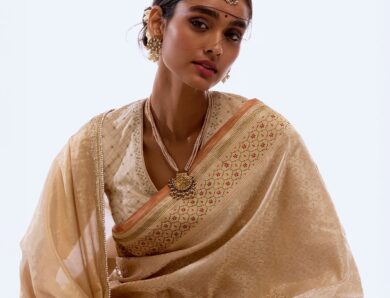
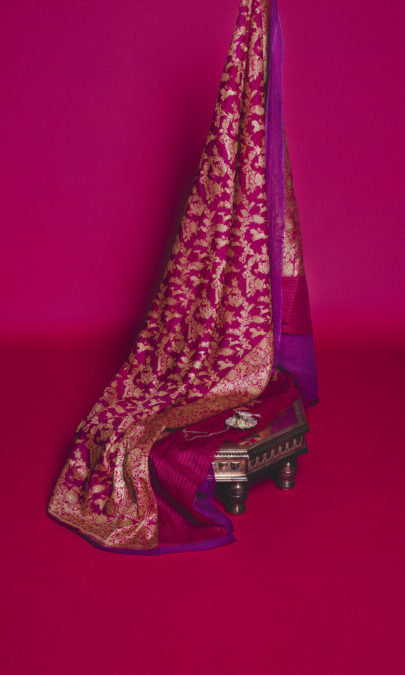
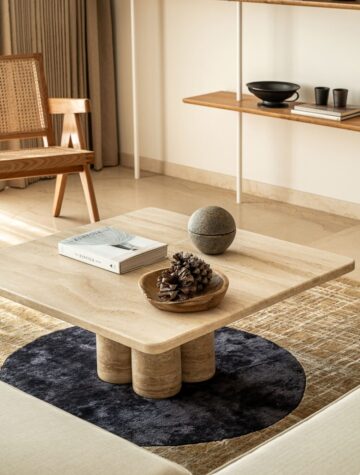
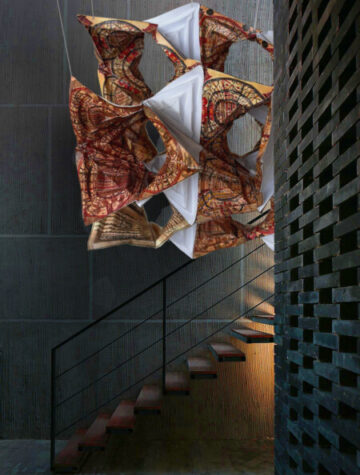
A ripple effect closer to home has sparked a more dynamic and interconnected ecosystem. “I think after 13 years, India Design ID is considered a landmark design event in India. We get to shape conversations around design’s role in society, culture and sustainability, and there’s immense joy in seeing the design community and everyday visitors engage in fresh dialogue around objects, spaces and systems. It has become a space for a much wider audience than just industry insiders. From creating interactive exhibits as part of ID Special Projects to inviting voices from architecture, interior design, film, fashion, tech etc. at the ID Symposium, to collaborating with schools, local artisans and neighborhood collectives to bring grassroot level participation into the fold, as the Design Week of India, it’s our prerogative to bridge audiences and make it a barrier free and inclusive experience for all,” says Misha Bains, Fair Director of India Design Week, highlighting how today’s events reflect a shift—where fashion, architecture, textiles, and design now converge in shared spaces. This evolution signals a broader, more nuanced understanding of what ‘art’ truly represents in our contemporary landscape. “The exhibition ‘Fragments of the Future’ celebrated art as a tool for reflection, emotion, and collective awareness. It bridges the gap between the past and the future, urging us to rethink art’s purpose in the modern context,” says philanthropist and art patron Shalini Passi, who curated a diverse roaster of artists alongside interior design and fashion showcases, curated by Ashiesh Shah and Anaita Shroff Adajania, respectively for Ajio Luxe Wkend 2025. On her latest curatorial project for India Art Fair 2025, Shifting Horizons, creative director, artist and designer Alaiia Gujral, further adds, “It wasn’t just a static exhibition; it’s a living, breathing environment that reflects where design is headed through the lens of contemporary Indian identity.”
Breaking barriers to entry and building lasting ecosystems that celebrate both established and emerging artists, these events go beyond mere showcases — they embody sustained efforts to uplift talent and offer artists the recognition they truly deserve. “The platform is designed not only to spotlight emerging voices in design but also to offer them tangible tools for growth. We’re building a long-term ecosystem—before the showcase, we provide guidance on contracts, help artists clarify and present their work, and open up conversations around pricing, storytelling, and audience engagement,” says Alaiia. Elaborating further, she says, “During the exhibition, the artists’ work is elevated, contextualised alongside peers, presented to collectors, press, and design institutions. We also facilitate direct conversations with industry leaders through walkthroughs and intimate networking moments. Post-show, we remain actively engaging and sharing their work across digital platforms, connecting them with future opportunities and documenting their contributions in a way that supports continued visibility.”
Although galleries will always retain value in their traditional formats, their current evolution is becoming more open and welcoming, encouraging audiences to move from passive observation to active participation. Such an approach adds back to the entire ecosystem, creating a more meaningful relationship between the art, its creators, and the viewers who engage with it. To this, Jaya adds, “A key priority has been ensuring that the fair, along with our year-round programming, remains inclusive and accessible to a diverse audience. This is reflected in our dynamic workshops, talks, and art tours that engage all age groups, as well as in our dedicated initiatives like the Inclusion Lab, and through partnerships with organisations such as Access for All and LAND (Learning through Arts, Narrative, and Discourse),” adds Jaya Asokan. Offering a more in-depth perspective through a recent example, Misha expands further on her latest curation for India Design Week’s 2025 edition.“The special exhibition TRANSITION explored 45 Chairs by 45 Designers as a mirror of the creator’s mind in a period defined by innovation, consciousness and experimental forms of expression. The idea of choosing a simple object (Chair) was to allow a much wider audience to connect and interact with this exhibition. We wanted the viewers to posit the various internal and external influences that shape each piece.”
Nothing is siloed in this process; it’s all about collaboration, where every voice and vision is to create something greater than the sum of its parts. “A huge part of the curation is also about dialogue with the designers and the audience. Many of the designers were involved in conversations as their custom pieces evolved, and that collaborative energy is core to how the show has taken shape.” Alaiia says, “I think collaboration is key, and thus I engaged in discussions with the artists and designers to understand their creative process and the story behind their work. For me, it’s important that the installation reflects their artistic vision while also enhancing the overall theme of the exhibition,” Shalini adds.