Beyond Borders

How Collaborations With Global Brands Take Shape

Founders of five brands take us behind the scenes of their recent collaborations with global brands.

Aneeth Arora of péro

Kanika Goyal of KGL

Mriga Kapadiya of NorBlack NorBlack

Dhruv Khurana of Almost Gods

Harshit Agarwal of Pistabarfi

by Manica Pathak

Share this article:

Over the last decade, India’s creative community has stepped firmly into the spotlight, with a growing number of artists and designers making their mark both at home and on global stages. Today, as momentum builds, the homegrown industry is not only finding new visibility but also being recognised for its unique design language and capacity for innovation—qualities set to evolve further rather than fade away as a passing fad. Along the way, this shift has also opened doors to large-scale collaborations with global names such as Nike, Puma, G-SHOCK, Hello Kitty, and Disney.

“I really don’t think there’s a one-size-fits-all formula. For us, it’s always been about doing what we genuinely believe in and having fun with it. That way, it never feels like we’re trying to impress anyone or follow a trend,”

– Harshit Agarwal, Founder- Pistabarfi
From First Conversations to Creative Synergy

While collaborations are quite well-known and mainstream for consumers today, for emerging brands and young creatives, it can still be a complex and layered journey to navigate. And in a landscape where both fresh brands and global players are becoming increasingly eager to partner, seeking fresh audiences, new markets and creative dialogues that push boundaries, the real question is what does it take for a brand to find the right partner, and enter a collaboration? Behind the scenes, where do the first conversations begin, who takes the initial steps, what are the key learnings along the way, and, in hindsight, what approaches could have been different? Blur The Border takes a closer look. Ahead, we speak to five founders: Aneeth Arora of péro, Kanika Goyal of Kanika Goyal Label, Mriga Kapadiya of NorBlack NorWhite, Dhruv Khurana of Almost Gods, and Harshit Agarwal of Pistabarfi, who weigh in on this with a unique insight shaped by their individual experiences. However, there is shared wisdom among all: building an unshakable identity of your own and recognising that shared values are the glue that holds a collaboration together.

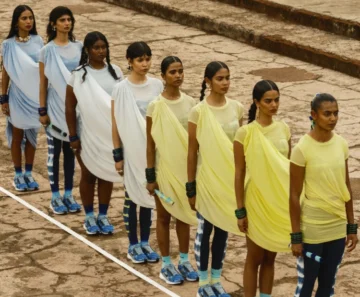
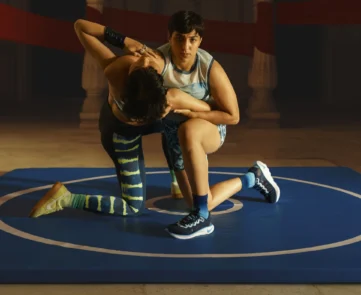
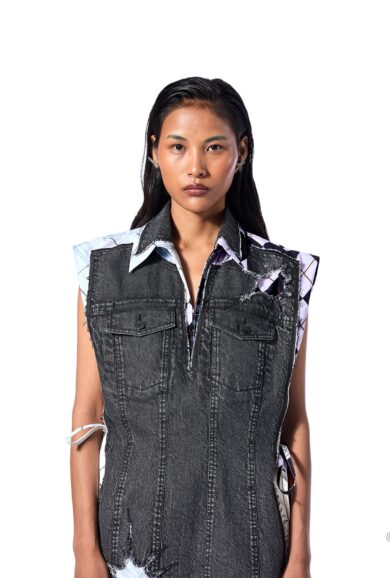
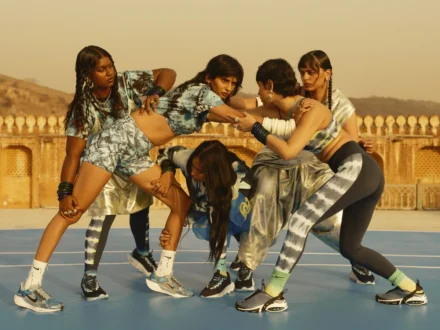
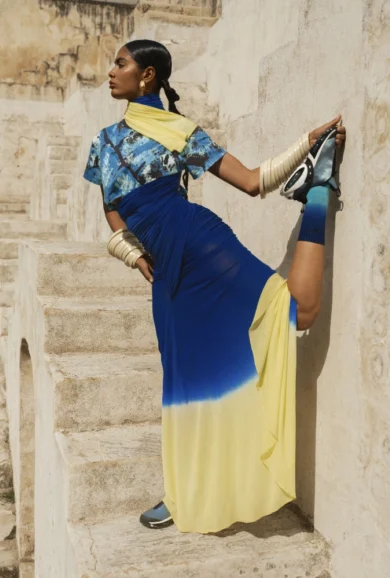
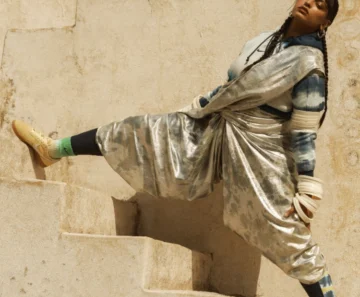
As a first step, NorBlack NorWhite co-founder Mriga Kapadiya recalls the importance of taking time to build a clear brand identity long before their collaboration with Nike, which showcased the label’s celebrated take on regional crafts in a limited collection of sportswear staples. “We’ve spent 15 years building and rebuilding all aspects of our world, and it felt like the right moment to execute this collaboration without compromising our identity. It’s noisy out there, so be clear, so nothing can shake you,” she notes. 

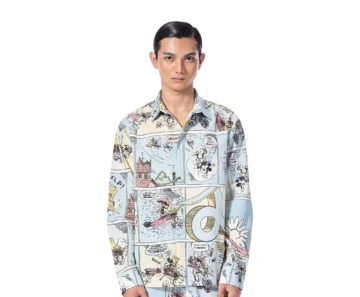
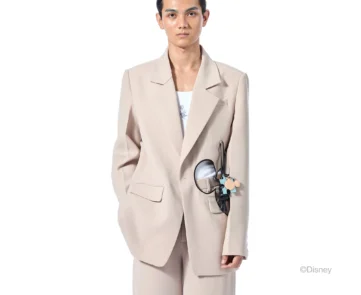
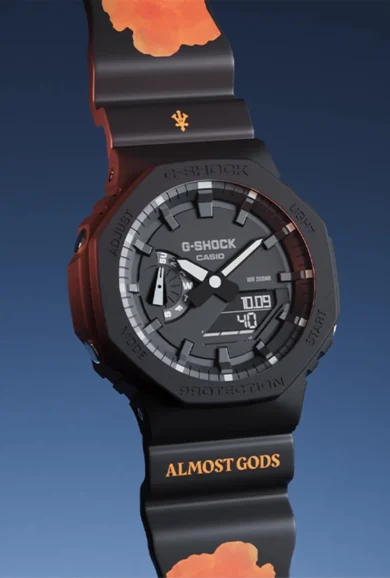
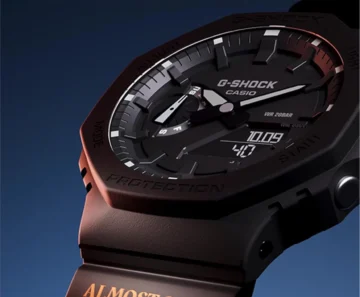
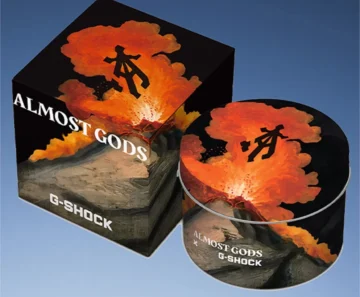
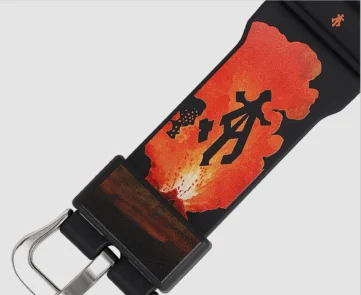
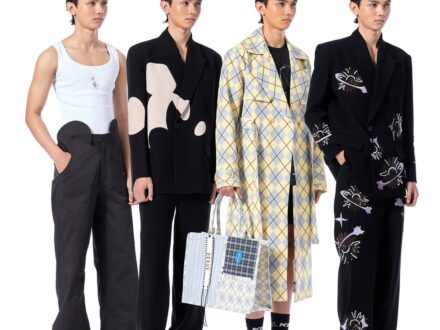
Founders Dhruv Khurana of Almost Gods and Kanika Goyal of KGL emphasise similar viewpoints on shared values as one of the cornerstones of any collaboration. “Start by aligning on values before anything else. Aesthetic synergy and amplified reach are important, but it’s shared belief systems that make the collaboration durable. When both brands are clear about what they stand for, the rest of the process feels intentional from start to finish,” says Dhruv, whose brand Almost Gods became the first Indian collaborator with G-Shock through a 250-piece limited-edition collection of watches inspired by the raw power of a volcanic eruption. In context to KGL’s collaboration with Disney, which gave Mickey Mouse fans worldwide a 114-piece capsule collection in the label’s edgy Indian spirit, Kanika shares, “The most important thing is choosing the right partner–whose values, ethos, and creative language align with yours. The synergy has to be genuine, not forced.” She continues, “Once that’s in place, the next big challenge is maintaining the integrity of both worlds without diluting either. It’s about finding that sweet spot where your vision and theirs can coexist in a way that feels fresh and cohesive.”

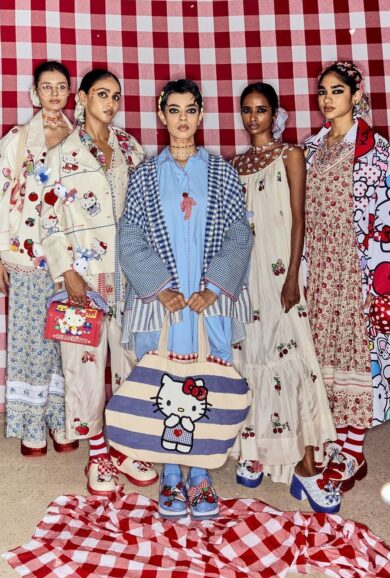
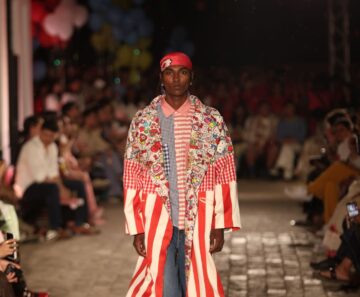
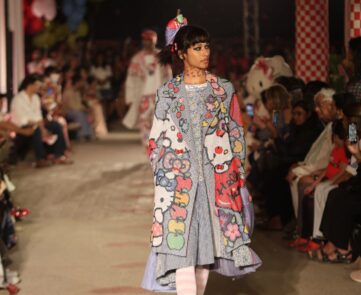
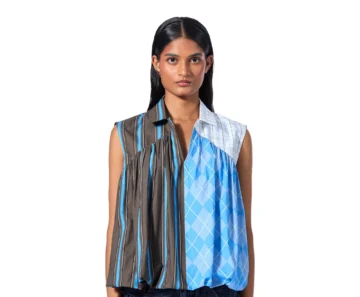
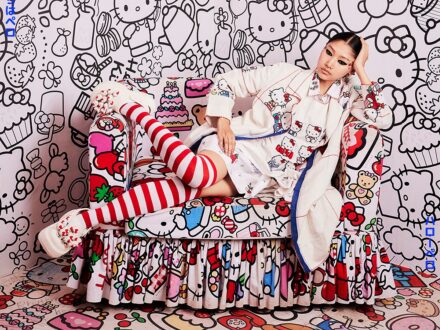
Aneeth Arora, founder of péro, builds on these insights. Reflecting on her label’s collaboration with Hello Kitty, which produced over 100 designs blending cottagecore and kawaii styles across womenswear, menswear, and kidswear, she emphasises that a collaboration must also be driven by deeper intent rather than market optics. She says, “Focus on creating something that tells a shared story. Invest time in research, understanding the collaborator’s world, and find ways to bring your unique craft or perspective to the table. When both brands connect emotionally and creatively, the result resonates far beyond the product.” 

“Focus on creating something that tells a shared story. Invest time in research, understanding the collaborator’s world, and find ways to bring your unique craft or perspective to the table. When both brands connect emotionally and creatively, the result resonates far beyond the product.”

– Aneeth Arora, Founder-Pero
How Clarity and Authenticity Attract the Right Collaborators

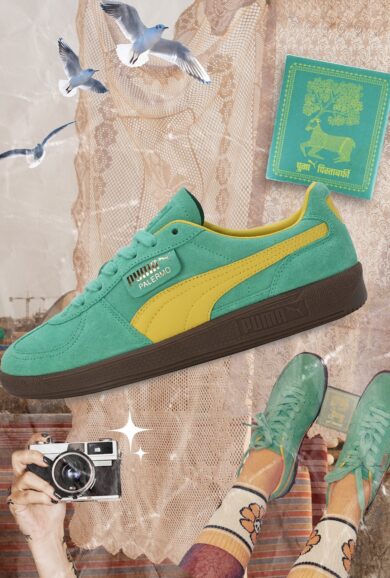
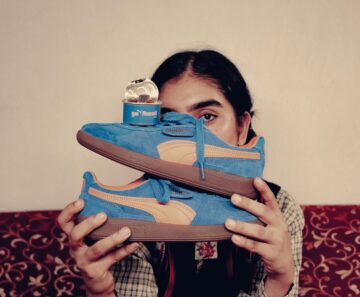
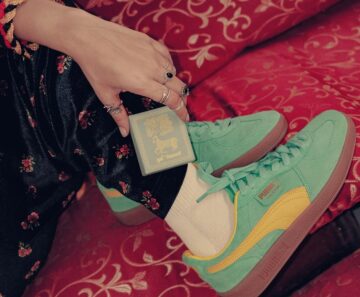
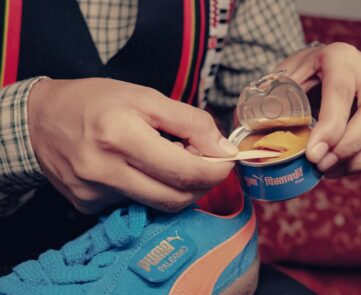
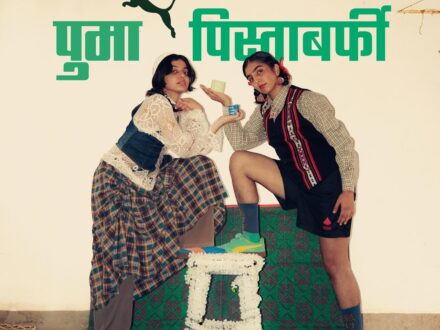
Meanwhile, Harshit Agarwal, co-founder of Pistabarfi, offers a different take on this following their collaboration with Puma. It brought fashion and food culture together, pairing Puma’s Palermo sneaker launch with mithai packaging designed in the same colour palette. The result was a nostalgic yet contemporary collectable that spoke to sneaker enthusiasts and dessert lovers alike. For Harshit, it’s a reminder that collaborations don’t follow a linear path or a fixed rulebook. “I really don’t think there’s a one-size-fits-all formula. For us, it’s always been about doing what we genuinely believe in and having fun with it. That way, it never feels like we’re trying to impress anyone or follow a trend,” he says. But eventually, it is the foundations that quietly do the heavy lifting over time. “Be clear about what you’re doing and why you’re doing it. Even if you’re still figuring it out, enjoy the process.

When your work reflects something honest or original, the right people will find their way to you. That’s when collaborations feel real and exciting, not just something you’re chasing for the name.” After identity, values, intent, and authenticity are in place, it also comes down to how the collaboration is presented to the audience. Kanika points out further, “Never underestimate the power of visual communication. Your imagery, your storytelling, and your tone become powerful tools in helping audiences navigate and understand the collaboration. Building a strong visual vocabulary is just as important as the product itself. It’s what transforms a partnership into a narrative.”

But then, where does it all begin? Who takes the first steps? For many brands, it wasn’t born from actively chasing such partnerships. Instead, they took shape organically, with global names drawn toward each of their unique design language, a quality that has perhaps become one of the strongest suits of homegrown labels today. Aneeth recalls, “Sanrio approached us during Hello Kitty’s 50th anniversary, coinciding with Péro’s 15th year.” Similarly, Nike had reached out to NorBlack NorWhite in 2023. “They were interested in building a relationship and supporting our work,” emphasises Mriga. Dhruv looks back, too.

“G-Shock has been this voice in the cultural zeitgeist globally for the longest time; the idea ignited the 5-year-old in us,” says Dhruv. For Harshit, too, “It came about quite organically. We were working on a new drop for Pistabarfi, something fun, a little irreverent, rooted in nostalgia but designed in a more playful, accessible way. Around the same time, Puma was gearing up for new Palermo drops,” he shares, adding that the global activewear giant was looking to collaborate with homegrown brands that aligned with their ethos.

“The key was figuring out the story we wanted to tell. It had to speak to the brand, convey that sense of power and yet feel special in the context of G-SHOCK’s global catalogue and collaborations library,”

– Dhruv Khurana, Founder-Almost Gods

How Global Collaborations are Evolving to Engage with India’s Creative Depth

What’s equally fascinating beyond the initial steps and the broader arc of these recent collaborations is the clear shift in how global brands are now engaging with India. They aren’t just tapping into ‘Indian aesthetics’, but also acknowledging the multifaceted design, language, and storytelling that brands today have to offer. Although NorBlack NorWhite’s collaboration with Nike showcased the label’s celebrated use of traditional Indian dyeing techniques, its true intent was to explore something deeper. “Nike offered us the chance to collaborate on their first women’s collection coming out of India,” shares Mriga. “Before we even began designing, they took us on an incredible retreat to Australia with 30 other artists and designers from around the world who were also part of the Nike family,” signalling that more than just design, it was about building a creative community.”

Kanika Goyal Label’s collaboration took a more personal turn, rooted in the collective nostalgia surrounding Mickey Mouse, a character whose cultural resonance spans generations. “What excited me most was placing Mickey against the vibrancy and chaos of Indian craft and storytelling. For me, Mickey and his friends weren’t just animated characters from childhood—they were emotional placeholders, symbols of joy, mischief, and comfort. This collaboration was about creating something that feels visually unexpected yet deeply rooted in where I come from,” she shares.

Reimagining traditional mithai without being stuck in convention or altering its original essence is what intrigued Puma to approach Pistabarfi.“Both brands shared a similar spirit, taking something classic and giving it a fresh, cool spin.” Referring to their Mysore Pak in a can and Aam Papad strips for this collaboration, he continues, “Our products already existed. The only thing we adapted was the packaging to match the Palermo sneaker colours. That meant tweaking materials, finishes, and getting the visual tone right. “We’re building a new way for people to experience mithai. The Puma collab was just one example of how that idea can live in different contexts.”

Even then, what we see is only the surface of a much deeper creative exchange. While bringing a collaboration to life involves similar stages, including extensive research, concept building, design development, and constant refinement, the real advantage lies in knowing there’s no fixed playbook. Some may unfold over years, others in just a few months. But what makes them work is not speed; it’s the message you are putting out. “The entire process took about a year, from our first internal brainstorming sessions to getting final approvals from the G-SHOCK global team. The key was figuring out the story we wanted to tell. It had to speak to the brand, convey that sense of power and yet feel special in the context of G-SHOCK’s global catalogue and collaborations library,” says Dhruv. For Pèro, although the entire process spanned nearly two years, “A focused eight-month phase was dedicated to developing over 100 designs. We began with research and concept building, aligning Hello Kitty’s playful charm with péro’s artisanal ethos, perfecting details through embroidery and appliqué techniques,” says Aneeth.

Interestingly, the Pistabarfi x Puma partnership moved quickly, over 2 months, but with equal attention to detail. “Once we had a rough idea of the products, the packaging discussions began—bringing the Palermo colours into our design and figuring out the Puma x Pistabarfi logo in Devanagari, which went through several iterations,” says Harshit. “Then it was about refining the products and packaging—focusing on Aam Papad and Mysore Pak, perfecting the details from the paper and foil to how the pack opens, and finally, visually blending the ethos of Puma and Pistabarfi into something cohesive and fun.”

“There are a lot of different respective roles, a lot of time zones, a lot of regions to consider, as this was a global launch and the army of humans it takes to make all decisions from small to big. Overall, we learned the timeline challenges that can come with operating at such a large scale; however, the impact a project has because of its scale is unmatched.”

– Mriga Kapadia, Founder-NorBlack NorWhite
Scaling Creativity: Lessons from Going Global

For young brands aspiring for global collaborations, founders look back on what it takes to operate at scale. Kanika describes it as “a fascinating window into the inner workings of the Disney universe—its storytelling structure, its visual discipline, and its global resonance.” One of the key highlights for the founder was realising the emotional depth of the Disney brand across generations. “We weren’t just designing for die-hard fans, but also for people who had once felt connected to those characters and might have drifted away. We wanted the collection to speak to both—those who love Disney with all their heart, and those who remember it fondly but connect more with a modern reinterpretation.” 

For both Pèro and Almost Gods, it led to fresh new insights about their respective consumer base. “It reaffirmed how much our audience leans into intention. The more we revealed about the story behind the design, the more it resonated. People didn’t just want to see the product; they wanted to understand it and connect with it,” says Dhruv. Echoing the sentiment, Aneeth shares, “We discovered how versatile our audience is, embracing both subtle and playful designs and learned to navigate strict brand guidelines while staying true to our creative voice. Most importantly, it reinforced that a collaboration rooted in shared values can create an emotional connection far beyond the garments.”

For Harsh, “The primary difference was the structured, multi-level approval process that comes with working with a large brand versus an individual,” he notes. But in the end, fundamentals should remain intact, “Clear communication, meeting timelines, and delivering a high-quality product. It’s about doing the basics well and staying consistent,” he emphasises. On a similar note, Mriga expands further, “There are a lot of different respective roles, a lot of time zones, a lot of regions to consider, as this was a global launch and the army of humans it takes to make all decisions from small to big. Overall, we learned the timeline challenges that can come with operating at such a large scale; however, the impact a project has because of its scale is unmatched.” 
“The most important thing is choosing the right partner–whose values, ethos, and creative language align with yours. The synergy has to be genuine, not forced.”

– Kanika Goyal, Founder-Kanika Goyal Label

Beyond the Collaborations: Lessons in Hindsight

Even as the outcomes bring a sense of pride, hindsight naturally invites reflection on what might have been done differently. For some, it was about allowing more innovation and streamlining the process, while for others, it was prioritising marketing. “This would have given us more time to explore experimental craft techniques, like weaving or 3D surface textures, which we had to simplify due to tight timelines. It showed us the impact of creating an experience. Next time, we’d integrate interactive elements — installations, digital experiences, playful narratives — from the start, to push the creative and operational boundaries even further,” says Aneeth.

Dhruv reflects on this as an inevitable part of any meaningful project, “You’ll always look back and find things you might refine — whether that’s streamlining the process, building more touchpoints, or thinking bigger in execution. Overall, we’re proud of what both teams created together. The collaboration gave our community something that feels true to both brands. The love the collection received made it all worth it.” Meanwhile, Mriga shares that the importance of digital visibility matters more than ever “Spend more time on the marketing, PR, and distribution strategies,” she says.

What ultimately becomes clear through these conversations is that the new wave of collaborations is no longer about borrowing ‘aesthetics’ but about building shared worlds, and this is what will lead the way forward. They demand clarity of identity, patience with process, and an openness to experiment. For young homegrown brands, the message is unmistakable: when identity and intent are strong, the right partners and opportunities follow. These are encouraging signs of a community growing more confident, shaping collaborations that blur borders, carry India’s creative language onto a global stage, and leave us eager for what’s on the way.
Co-founder Mriga Kapadiya does behind the scenes on how world-building and a shared vision transformed a collaboration into a defining milestone.

Share this article:

Mriga Kapadiya speaks to Blur The Border:

BTB: How did the collaboration come about with Nike? Can you share a pivotal moment or connection that helped bring this partnership to life?

Mriga: Nike reached out to us 2 years ago, telling us they are interested in building a relationship with us and supporting our work. We didn’t really know what that entailed at the time however a few months later we were told that if we want the Nike Global team would like us to collaborate on a women’s collection as being the first one of its kind coming out of India. We were obviously excited to make this happen. Before we started any design work, Nike took us on an amazing retreat to Australia where we spent the week with 30 other artists and designers from around the world that were also affiliated with Nike. It was cool to meet amazing humans, witness how Nike operates in the community and start that process of building a relationship.

BTB: From initial discussions to final execution, what was the overall timeline to create the pieces? What were the key stages or turning points in the process?

Mriga: It took about 2 years from start to finish. The initial stages were getting briefed and us taking some time to go over the themes and colour palette frameworks and present designs that represented NBNW in a way that we felt could work nicely in the Nike space. After we locked those in with Nike then it was a matter of sampling which took about a year. After that it was more focused on production, marketing and distribution strategies.

BTB: Were there any learning or new perspectives that you gained from working with a globally recognised brand, especially around logistics, communication, or scaling up production?

Mriga: The army of humans it takes to make all decisions from small to big.. There are a lot of different respective roles, a lot of time zones, a lot of regions to consider as this was a global launch. Overall we learned the timeline challenges that can come with operating at such a large scale, however the impact a project has because of it’s scale is unmatched.

BTB: If you were to approach this collaboration again, is there anything you would do differently, either creatively or operationally?

Mriga: Spend more time on the marketing, PR and distribution strategies.

BTB: What guidance or insights would you share with emerging brands looking to engage in meaningful global collaborations?

Mriga: Take the time to build a clear and strong world, identity and language before trying to collaborate with anyone. The point of collaboration is to bring worlds together. We’ve spent 15 years building and rebuilding all aspects of our world, and it felt like a natural time to execute this collaboration without compromising our own identity. It’s noisy out there, so be clear so nothing can shake you.

Co-founder Harshirt Agarawal shares with Blur The Border how alignment of spirit, thoughtful packaging, and an honest approach to process shaped a collaboration rooted in reinvention.

Share this article:

Harshit Agrawal speaks to Blur The Border:

BTB: How did the collaboration with Puma come about? Can you share a pivotal moment or connection that helped bring this partnership to life?

Harshit: Honestly, it came about quite organically. We were working on a new drop for Pistabarfi, something fun, a little irreverent, rooted in nostalgia but designed in a more playful, accessible way. Around the same time, Puma was gearing up for new Palermo drops and were looking to collaborate with homegrown brands that aligned with their ethos.

They reached out to us because they’d been following what we were doing, how we were reimagining traditional mithai without being stuck in convention without changing the original essence of the very product. And I think that’s what really clicked. Both brands shared a similar spirit: taking something classic and giving it a fresh, cool spin.

At our end, we were already working on two products, our Aam Papad strips and the Mysore Pak in a can. Puma loved the idea, and we ended up redesigning the packaging in their Palermo colors. That became an exclusive Puma x Pista Barfi drop, the first time 

We launched those products, and it happened as part of that collaboration. So yeah, it was a great meeting of minds and design, and a really fun launch.

BTB: From initial discussions to final execution, what was the overall timeline to create the pieces? What were the key stages or turning points in the process?

Harshit: The whole process took about two and a half months from start to finish. In terms of key stages, the first was definitely the initial conversations. Just chatting with the Puma team, understanding what they had in mind, the vibe they were going for, and exchanging early ideas.

The second stage kicked in once we had a rough idea of the products. That’s when the packaging discussions began, figuring out how to bring the Palermo colors into our design language. A big part of that stage was also how the Puma x Pista Barfi logo would appear. Right now, “Puma” is written in Devanagari, and that went through quite a few iterations before we locked the final look. The third stage was refining the product and packaging itself. We eliminated a few product options and zeroed in on the Aam Papad and Mysore Pak. From there, it was all about finessing the details, from the GSM of the paper to the aluminum foil wrap, how it folds, the feel of the pack, and how smoothly it opens. There were quite a few design and material choices we worked through to get it right.

And finally, once all of that was locked, it was time to shoot. That was a major piece too, figuring out how to visually bring together the ethos of Puma and Pista Barfi in a single frame, blending both aesthetics into something cohesive and fun. Those were pretty much the key steps that brought the collab to life.

BTB: What were the biggest creative or technical challenges in adapting your design language to an entirely new category or product line?

Harshit: What we’re trying to do with Pistabarfi is make traditional mithai more accessible through better design and packaging. That hasn’t been a challenge only during the Puma collaboration. These were products we had already been developing before Puma got in touch. The timing just worked out. We were about to launch them independently, and the partnership gave them a much bigger platform.

This also wasn’t the first time we worked on something in that space. Earlier, we had launched a mithai bar, which was kaju katli in the shape of a chocolate bar. It was meant to be portable and easy to eat on the go. One of the biggest issues I’ve seen, especially coming from a halwai family, is that mithai is not designed for personal consumption. It usually comes in large boxes, is sticky, and hard to carry. That makes it messy and inconvenient to eat casually.

That’s the main problem we’re trying to solve. Since no one has really done it, there’s no playbook. Everything has been trial and error. We’ve had to learn about materials, shelf life, packaging, and what works for perishable products. And because we’re bootstrapped, it’s just me and my brother doing everything ourselves. That makes things slower and more hands-on, but also more meaningful.

So to answer the question, the Puma collab didn’t involve creating a new category. The products already existed. The only thing we really adapted was the packaging, to match the Palermo sneaker colors. That meant tweaking materials, finishes, and getting the visual tone right.

The bigger creative and technical challenges are ongoing. We’re building a new way for people to experience mithai. The Puma collab was just one example of how that idea can live in different contexts.

BTB: Were there any learning or new perspectives that you gained from working with a globally recognised brand, especially around logistics, communication, or scaling up production?

Harshit: It was honestly like serving any of our other clients. We often work with people who come to us with specific customization requests, and we enjoy that process. The main difference when working with a brand, as opposed to an individual, is the structure. With a brand, there is a hierarchy, multiple levels of approval, and a more formal decision-making process. With an individual, it’s usually a single point of contact and things tend to move faster.

But we’re quite used to that kind of setup. We’ve worked with corporates before, so the flow felt familiar. At the end of the day, the fundamentals are the same — clear communication, meeting timelines, and delivering a high-quality product. It’s about doing the basics well and staying consistent.

BTB: What guidance or insights would you share with emerging brands looking to engage in meaningful global collaborations?

Harshit: I don’t know if I have advice for others, to be honest. I can only share what’s worked for us. And if that resonates with someone, great. But I really don’t think there’s a one-size-fits-all formula.

For us, it’s always been about doing what we genuinely believe in and having fun with it. That way, it never feels like we’re trying to impress anyone or follow a trend. We just play with ideas, try to create something fresh, and push the boundaries a little while staying true to our core.

Over the years, I think that consistency and honesty in our work is what’s made people notice. We’ve never had a PR or advertising agency promoting us. Even in the case of Puma, they reached out to us directly.

So if there’s one thing I can share, it’s this. Be clear about what you’re doing and why you’re doing it. Even if you’re still figuring it out, enjoy the process. When your work reflects something honest or original, the right people will find their way to you. That’s when collaborations feel real and exciting, not just something you’re chasing for the name. That’s what has worked for us so far.

Founder Aneeth Arora traces a two-year, 100-design journey shaped by aligned philosophies that led to global showcases, alongside key learnings.

Share this article:

Aneeth Arora speaks to Blur The Border:

BTB: How did the collaboration with G-SHOCK come about? Can you share a pivotal moment or connection that helped bring this partnership to life?

Aneeth: The collaboration came about organically when Sanrio approached us during Hello Kitty’s 50th anniversary, coinciding with péro’s 15th year. I had long felt aligned with Hello Kitty’s values of kindness and joy, something that struck me deeply after watching The Toys That Made Us during the lockdown. It felt like the universe brought us together, and ‘HELLO péro’ was born from this shared philosophy and timing.

BTB: From initial discussions to final execution, what was the overall timeline to create the pieces? What were the key stages or turning points in the process?

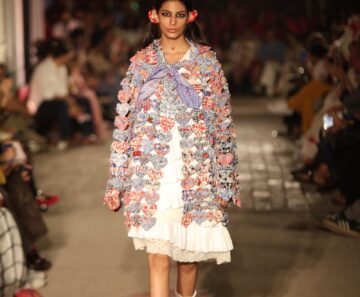
Aneeth: The péro x Hello Kitty collaboration spanned nearly two years, with a focused eight-month phase to develop over 100 designs. We began with research and concept building, aligning Hello Kitty’s playful charm with péro’s artisanal ethos.  Key stages included finalizing color palettes, sampling, and perfecting details through embroidery and appliqué techniques. The collection’s debut at Lakmé Fashion Week 2024 was a major turning point, receiving immense love and recognition.

This success led to an exclusive exhibition, which drew an overwhelming response.

The momentum expanded into a travelling showcase across India, and internationally to Milan, Japan, and China. Each milestone marked the seamless blend of craftsmanship and Hello Kitty’s universal appeal.

BTB: Were there any unexpected learnings, whether about your own brand, your audience, or the collaboration process, that emerged during this partnership?

Aneeth: This collaboration taught us that our brand’s ethos of handcraft and storytelling aligns naturally with a global icon like Hello Kitty. We discovered how versatile our audience is embracing both subtle and playful designs and learned to navigate strict brand guidelines while staying true to our creative voice. Most importantly, it reinforced that a collaboration rooted in shared values can create an emotional connection far beyond the garments

BTB: If you were to approach this collaboration again, is there anything you would do differently, either creatively or operationally?

Aneeth: The péro x Hello Kitty collaboration was an incredibly seamless and joyful journey, but if we were to approach it again, we’d bring Hello Kitty’s world into the design cycle much earlier. This would give us more time to explore experimental craft techniques, like weaving or 3D surface textures, which we had to simplify due to tight timelines. The overwhelming response to our exhibitions, which started in India and grew into a travelling showcase across Milan, Japan, China, and beyond, showed us the impact of immersive storytelling. Next time, we’d integrate these interactive elements—installations, digital experiences, and playful narratives—from the start to push the creative and operational boundaries even further.

BTB: What guidance or insights would you share with emerging brands looking to engage in meaningful global collaborations?

Aneeth: For emerging brands, the key to meaningful global collaborations lies in staying authentic to your own ethos while finding a genuine alignment with your partner’s values. Don’t approach it as a marketing exercise, focus on creating something that tells a shared story. Invest time in research, understanding the collaborator’s world, and find ways to bring your unique craft or perspective to the table. When both brands connect emotionally and creatively, the result resonates far beyond the product.

Founder Kanika Goyal on reimagining Mickey & Friends through Indian craft, navigating global storytelling, and finding the “sweet spot” between two creative universes.

Share this article:

Kanika Goyal speaks to Blur The Border:

BTB: How did the collaboration with Disney come about? Can you share a pivotal moment or connection that helped bring this partnership to life?

Kanika: It honestly felt serendipitous. We had been in touch with Disney a few years ago, but the timing just didn’t align back then. Then last year, I happened to visit the “100 Years of Disney” exhibit in London—and something about that experience reignited the spark. It served as this beautiful, nostalgic reminder of what their universe meant to all of us growing up. We reached out again, and this time, everything just fell into place. From that point on, it all unfolded quite organically. It felt like the right moment to reimagine something as iconic and universally beloved as Mickey & Friends, but through the KGL lens—where imagination meets irreverence, and nostalgia collides with contemporary Indian visual culture.

BTB: From initial discussions to final execution, what was the overall timeline to create the pieces? What were the key stages or turning points in the process?

Kanika: We revisited our conversations with Disney in October last year, and after months of dialogue and back-and-forth on creative directions, we finalized the collaboration early this year. The process officially began soon after.

The starting point was an idea that felt both poetic and powerful—“a dream that dreamed itself.” To me, that line captures the essence of how Disney lives in our collective imagination, blurring the boundaries between memory, fiction, and lived experience. Mickey and his friends weren’t just animated characters I watched as a child—they were emotional placeholders, symbols of joy, mischief, and comfort.

What excited me most was the opportunity to reinterpret that emotional nostalgia through the KGL world—placing it against the vibrancy and chaos of Indian craft and storytelling. This was about creating something that resonates across generations while still feeling visually unexpected and deeply rooted in where I come from.

BTB: Were there any unexpected learnings, whether about your own brand, your audience, or the collaboration process, that emerged during this partnership?

Kanika: Absolutely. This collaboration gave us a fascinating window into the inner workings of the Disney universe—its storytelling structure, its visual discipline, and its global resonance. Navigating the balance between Disney’s timeless charm and KGL’s irreverent, playful language was both exciting and, at times, overwhelming.

One of the biggest takeaways was just how wide the emotional spectrum of Disney truly is. We realised we weren’t just designing for die-hard fans, but also for people who had once felt connected to those characters and might have drifted away. We wanted the collection to speak to both—those who love Disney with all their heart, and those who remember it fondly but connect more with a modern reinterpretation.

BTB: If you were to approach this collaboration again, is there anything you would do differently, either creatively or operationally?

Kanika: If I had to pick one thing, it would be the timing of the launch. We had originally planned to go live a little earlier, but due to the political climate in the country at the time, it didn’t feel appropriate to launch something so celebratory. That shift did impact some of the momentum we had envisioned, especially around our event and the initial roll-out. But honestly, the response post-launch has been so heartening that those logistical hiccups now feel minor. The love the collection has received made it all worth it.

BTB: What guidance or insights would you share with emerging brands looking to engage in meaningful global collaborations?

Kanika: The most important thing is choosing the right partner—one whose values, ethos, and creative language align with yours. The synergy has to be genuine, not forced. Once that’s in place, the next big challenge is maintaining the integrity of both worlds without diluting either. It’s about finding that sweet spot where your vision and theirs can coexist in a way that feels fresh and cohesive.

Also, never underestimate the power of visual communication. Your imagery, your storytelling, your tone—these become powerful tools in helping audiences navigate and understand the collaboration. Building a strong visual vocabulary is just as important as the product itself. It’s what transforms a partnership into a narrative.

Founder Dhruv Khurana shares with Blur The Border how clarity, alignment, and story turn a collab into something timeless.

Share this article:

Dhruv Khurana speaks to Blur The Border:

BTB: How did the collaboration with G-SHOCK come about? Can you share a pivotal moment or connection that helped bring this partnership to life?

Dhruv: G-SHOCK has been this voice in the cultural zeitgeist globally for the longest time. When they reached out about doing something together, especially with us being their first collaborator in the country, it was the kind

of idea that excited the 5-year-old in us.

BTB: From initial discussions to final execution, what was the overall timeline to create the pieces? What were the key stages or turning points in the process?

Dhruv: The whole thing took about a year, from our first internal brainstorming sessions to getting final approvals from the G-SHOCK global team. The key was figuring out the story we wanted to tell. It had to speak to the brand, convey that sense of power and yet feel special in the context of G- SHOCK’s global catalogue and collaborations library.

BTB: Were there any unexpected learnings, whether about your own brand, your audience, or the collaboration process, that emerged during this partnership?

Dhruv: It reaffirmed how much our audience leans into intention. The more we revealed about the story behind the design, the more it resonated. People didn’t just want to see the product, they wanted to understand it and connect with it.

BTB: If you were to approach this collaboration again, is there anything you would do differently, either creatively or operationally?

Dhruv: With any meaningful project, the nature of a growing brand is that you’ll always look back and find things you might refine, whether that’s streamlining the process, building more touchpoints, or thinking bigger in execution. Overall, we are proud of what both teams created together. The collaboration gave our community something that feels true to both brands.

BTB: What guidance or insights would you share with emerging brands looking to engage in meaningful global collaborations?

Dhruv: Start by aligning on values before anything else. Aesthetic synergy and amplified reach is important, but it’s shared belief systems that make the collaboration durable. When both brands are clear about what they stand for, the rest of the process feels intentional from start to finish.

Thoughtful Curations, Coming Soon

Sign Up To Stay Updated.