
While homegrown labels have been able to bridge that gap between two categories that have continually shaped Indian fashion - international labels and traditional Indian designers -fashion insiders underscore a few key areas that still await exploration. In the first season of our podcast series, Backstage with Blur The Border, we spoke to India’s foremost stylists, who have closely witnessed the rise of labels that are closer to home. From Meagan's observations to harnessing the power of social media to Vinita's emphasis on expanding the Indian fashion industry's potential, we have curated insights that can prove beneficial for homegrown labels - grasping a strong foothold in Indian fashion and beyond.
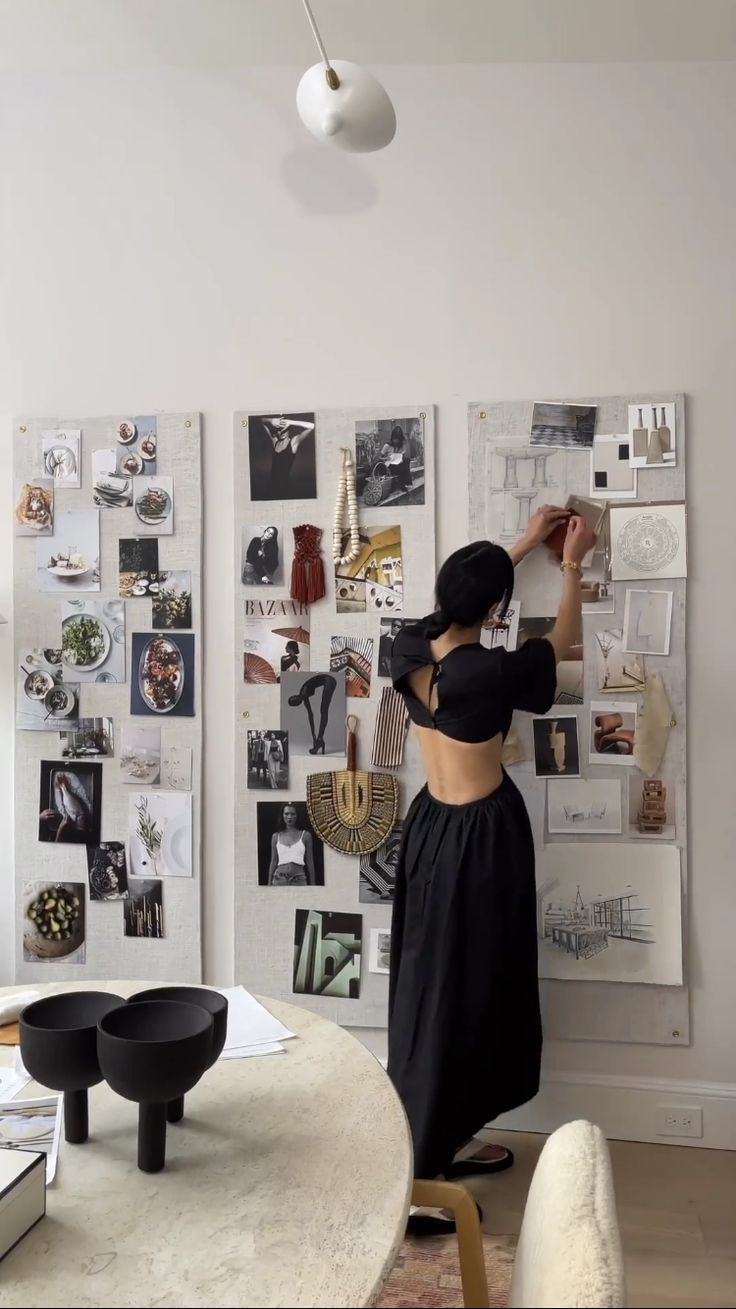
The young generation, particularly Gen Z, holds significant power when it comes to fashion and its impact on culture and the economy. Tech-savvy and socially conscious, this demographic communicates and consumes information primarily through the digital space. Given its importance, Meagan Concessio, a celebrity stylist, explains that it only makes sense to connect with the next generation with a different sense of approach. “The brands forget to double up their website or their Instagram. I hope that they use social media to help them grow because I do feel like it's become a little stagnant even while their work is good. I don't think their pages are interesting or interactive enough. A lot of the brands put their focus on dressing influencers and funnel all of their resources over there instead. They also need to hire better people, strategise better and work with stylists to create better visuals for their brand”, says Concessio. It emphasizes how homegrown labels should tap into the commercial aspects of visual communication, a medium that fosters strong bonds between brands and consumers.
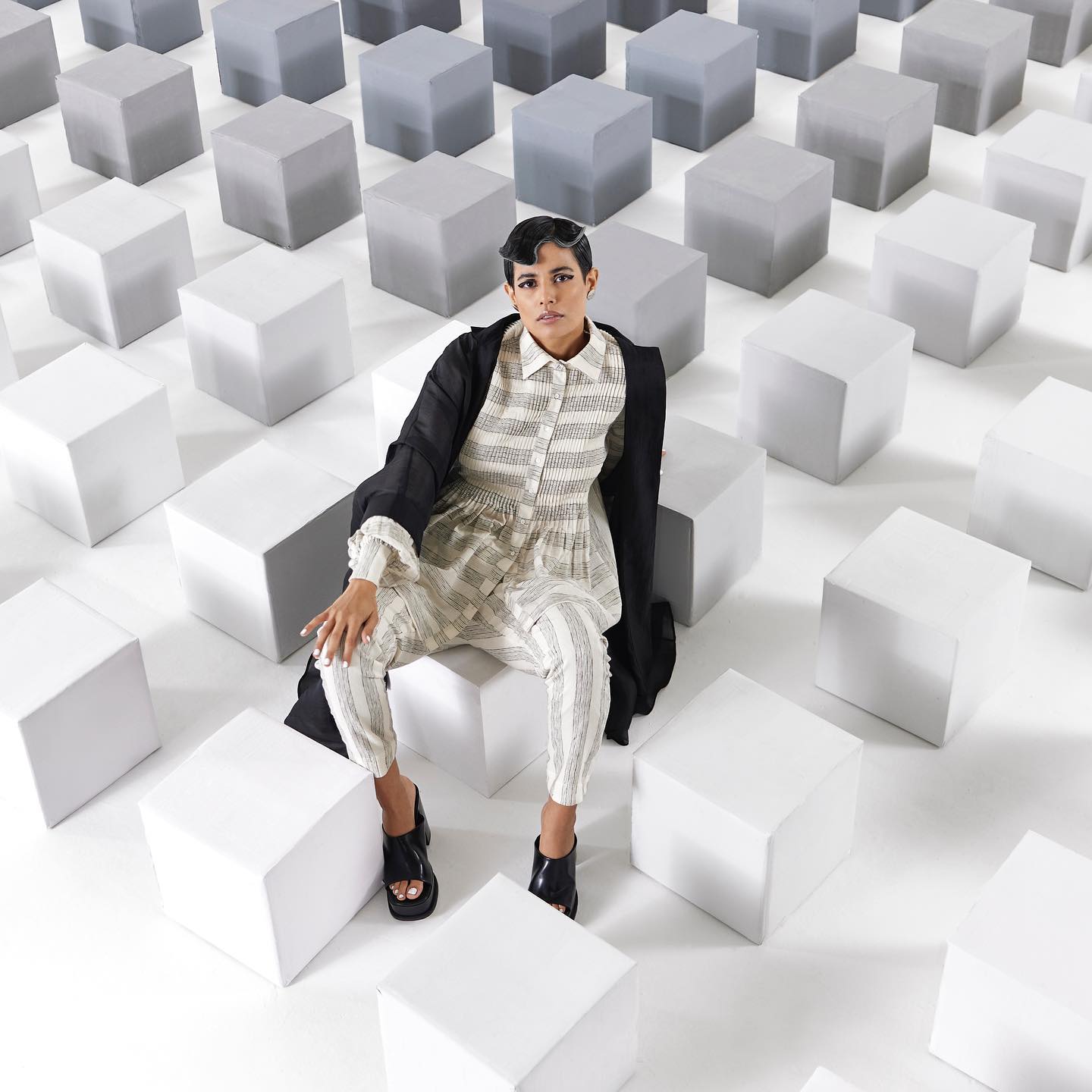
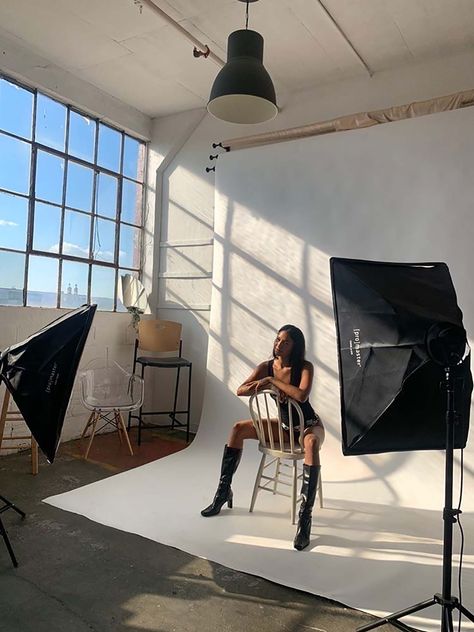
Interestingly, the GenZ hold an inclination towards novelty, constantly seeking something unique, to set themselves apart through the brands they come across. Eka Lakhani, a renowned celebrity stylist who actively introduces newer homegrown labels to her clientele recommends an approach to sustain the interest of current shoppers. “We are seeing repetitive designs too soon because of which people don’t want to wear them. What we can do is reduce visibility slightly and keep the designs more relevant in terms of events and people. We can also work on newer collections and designs so that it doesn't look like you have already seen it without really having to let go of your signature mark”, she says.
In addition to social media, Gen-Z has also come of age amid the surge of fast fashion. Knowing its favour amongst the shoppers, Anisha Jain, a celebrity stylist highlights a key challenge. “The appeal of homegrown labels is going to take some time because it is still the metro cities that you get to know about them, unlike Zara which is everywhere. With homegrown labels still boutique at scale coupled with the competitive pricing and a wide range of styles that has amassed favour with fast fashion counterparts also raises concerns. “People also wouldn't want to spend so much now on homegrown labels and the minute that they go into mass production, their quality is going to reduce”, concludes Jain.
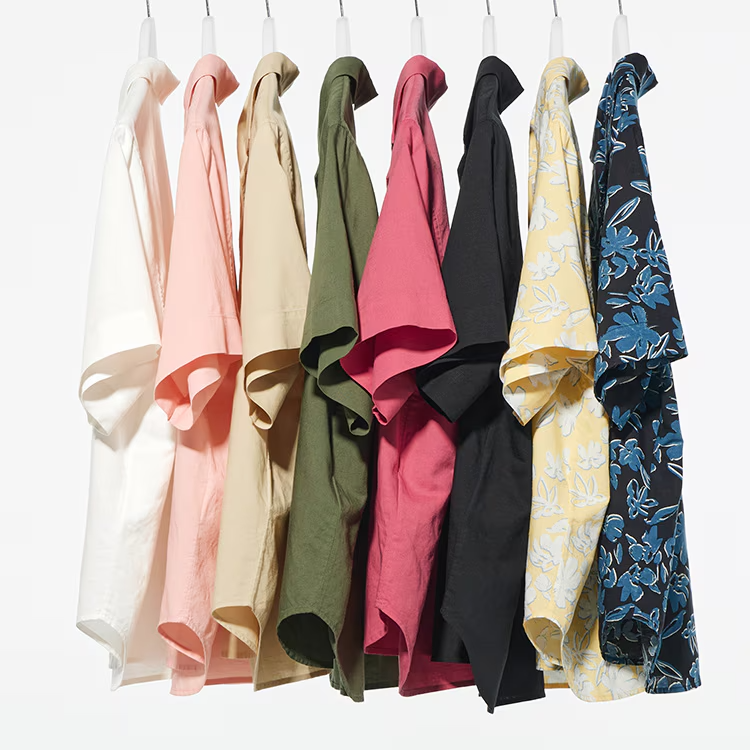
Moreover, since fashion choices today heavily depend on the silhouettes hallmarked by international brands, somewhere there might also be a disconnect between homegrown labels and the consumers. Vinita Makhija, a fashion stylist known for her passion for documenting the history of Indian textiles with a contemporary take, says, “I feel that the younger generation doesn't find a few homegrown labels very relatable. In some ways, they continue to veer towards Zara and H&M. And I think that a lot of homegrown labels are still craft-focused. For example, I love what Uniqlo does. The brand can't be categorised as high street because of the fabrics they use and it’s not necessarily sustainable. But it's how much they create, which is just enough. It's what they do with the brand and their silhouettes. I would love to see what India can do and take to the world in that capacity”.
While most labels have already tapped into craftsmanship, reinterpreting Indian heritage in new and modern ways, However Makhija, highlights the next steps to look forward to, “When we think about Indian artisans, it's always in the prospect of couture but our capacity is larger than that. Like for example, we could have an Indian Muji, where is that? We have all the fabrics, production as well as the textile capacity for it. Where's an Indian High Street store that's made its rounds in the world? So, I'm excited to see us go mainstream - and not just focus so much on embroidery and couture, but also on what we can offer on a larger scale.” she concludes.